Urban infill
New buildings on the vacant lots, former garages and underused parcels of Montréal’s established neighbourhoods, sized and detailed to the block they join.
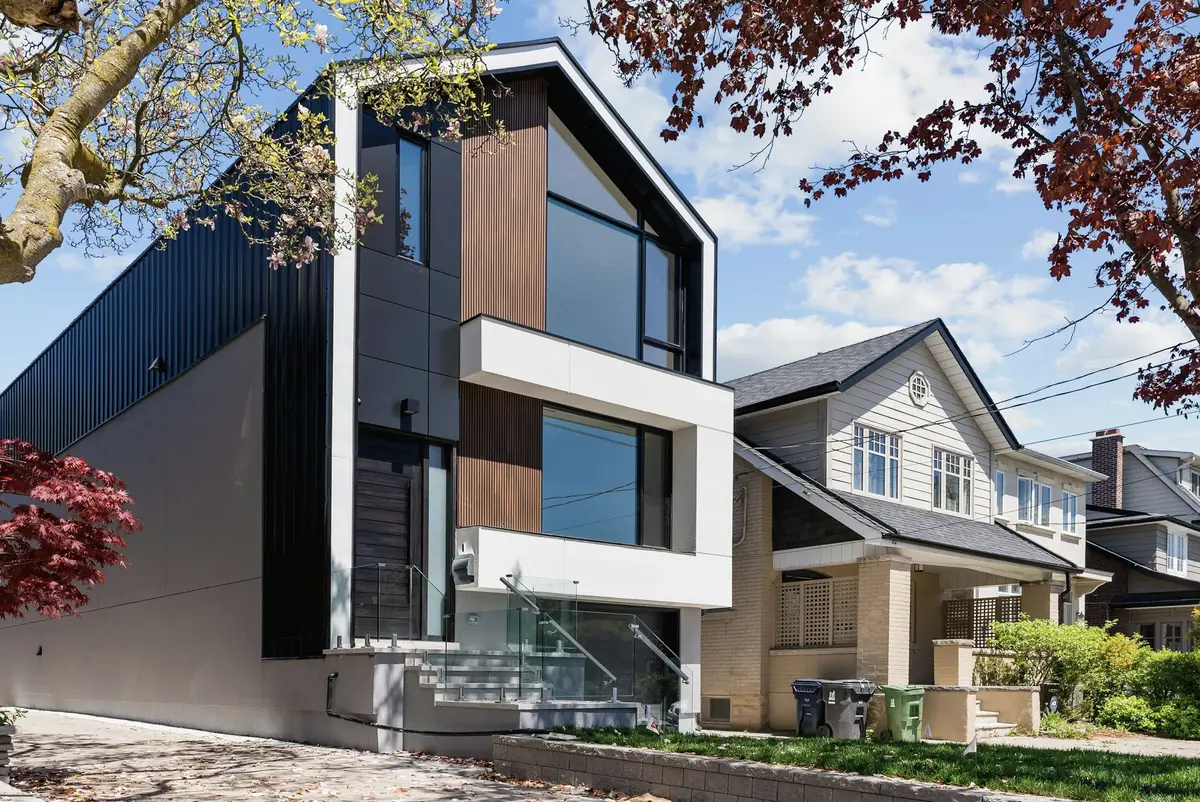
Infill is judged by the street before it is judged by its buyers. The best infill buildings look, a few years later, as if the block had been waiting for them.
The building type
What it is, how it is built and who it is for.
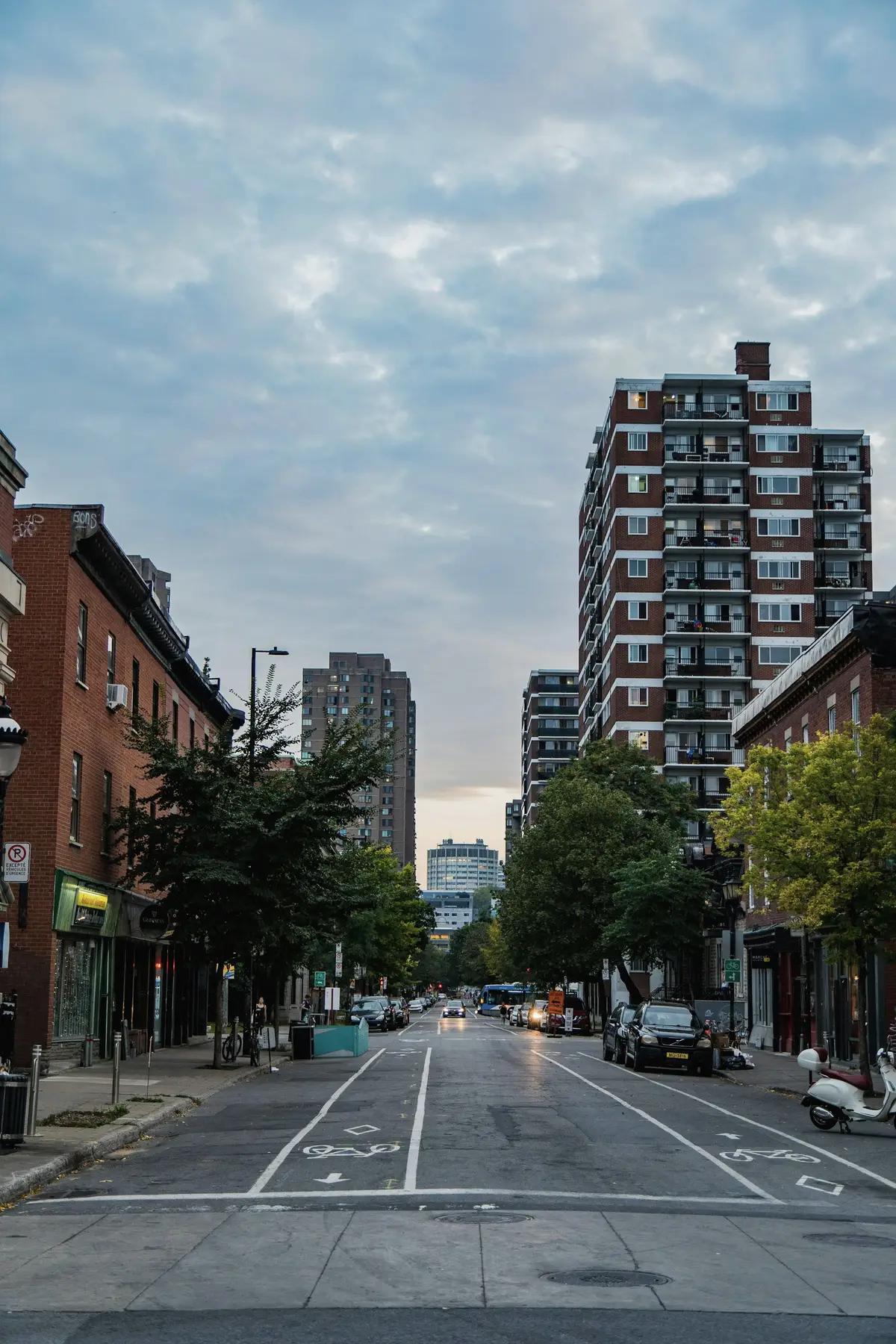
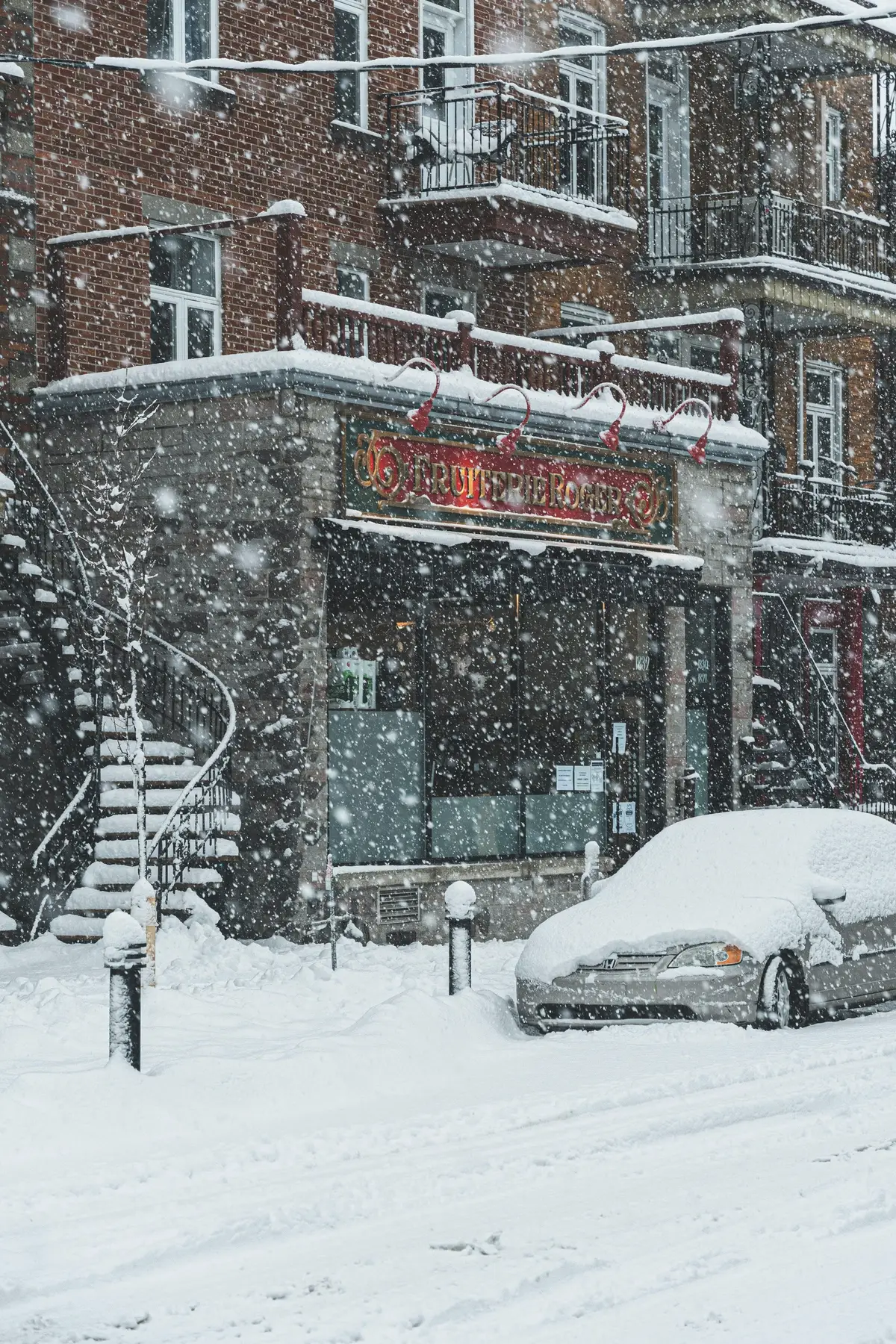
Infill means building within an existing urban fabric rather than on open land. In Montréal’s central boroughs that fabric is a grid of narrow lots — commonly about 7.6 metres (25 feet) wide — filled with duplexes, triplexes and small apartment buildings, often served by rear laneways. Infill sites are the gaps: parking lots, single-storey commercial buildings, former service stations, and houses that no longer suit their lot.
The buildings are typically three to six storeys, from a new plex to a small apartment building, often built to the property line beside existing neighbours.
Site and neighbourhood
Where the building type fits on the Island, and what we look for in a site.
Infill sites are small and each one is different. The questions we ask first are about the neighbours and the ground: how the adjacent buildings are founded, whether they need support during excavation, what the soil and groundwater are, and whether past uses left contamination. Access matters too — a mid-block lot with no laneway is a very different construction project from a corner lot.
The context is the other half. Cornice heights, setbacks, materials and window proportions on the block, and any heritage designation, guide what the borough will accept and what the street will welcome.
| Borough | Typical locations |
|---|---|
| Le Plateau-Mont-Royal | The densest plex fabric on the Island, with strong architectural review |
| Rosemont–La Petite-Patrie | Plex streets around rue Masson and Beaubien, many with green laneways |
| Villeray | Narrow lots and commercial streets around Jarry and Villeray |
| Verdun | Plex streets around rue Wellington and near the river |
| Le Sud-Ouest | Saint-Henri and Pointe-Saint-Charles, mixed with former industrial lots |
| Hochelaga-Maisonneuve | Plexes and small apartment buildings with corner commercial lots |
Locations describe the kinds of places where this building type is common; they are not a list of our sites.
Design and material priorities
What we ask of the architecture and the specification.
- Respect the alignment
- Facade line, cornice height and entrance level taken from the block, with any added height set back from the street.
- Masonry on the street
- Brick in the colours and coursing of the street, detailed with real sills, lintels and copings.
- Openings in proportion
- Windows sized to the rhythm of neighbouring facades, not to an interior layout alone.
- A careful rear facade
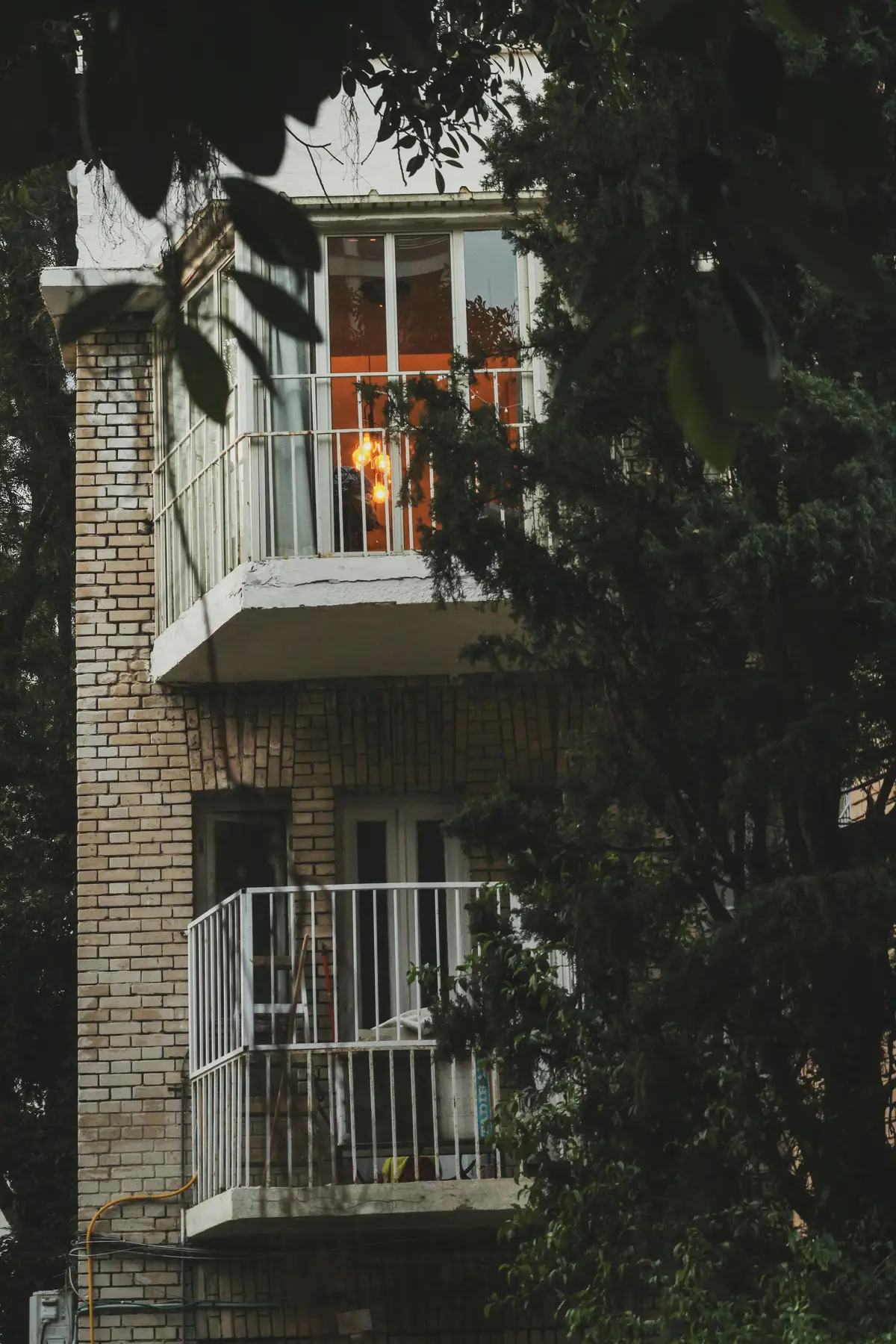
- Balconies, terraces and windows placed with neighbours’ privacy and daylight in mind.
- Party walls that perform
- Fire separation and sound control where the building meets its neighbours.
- Contemporary, not imitative
- A building of its time that keeps the rhythm of the street rather than copying its ornament.
Function and everyday use
The plan decisions residents notice.
Small buildings must be efficient without feeling tight. Stairs and services are placed to give each suite daylight at both ends where the lot allows, and family-sized suites at grade or with direct access to outdoor space make good use of the ground floor. Where a laneway exists, it can serve parking, waste collection and deliveries, keeping the street facade uninterrupted.
- Protection and monitoring of neighbouring buildings during excavation and construction.
- Crane and hoisting plans agreed with neighbours where loads pass over their property.
- Permits to occupy the sidewalk or street, with delivery windows and traffic plans.
- Tree protection on the street and in neighbouring yards.
- A named contact and advance notice for neighbours before noisy work.
Planning context in Montréal
Borough rules, review and the City’s housing requirements.
Infill sites in the central boroughs are usually subject to architectural review under a PIIA. Many lots do not fit the bylaw perfectly, and minor variances for setbacks or projections are common. If an existing building is to be demolished, the borough’s demolition review committee examines its condition, heritage interest and the replacement project, and the effect on any tenants.
Some sectors carry heritage designations at the municipal level, and works in the Site patrimonial de Montréal in Vieux-Montréal require provincial authorization under the Cultural Heritage Act.
Read: how a residential project moves through approvals in Montréal
How we develop and build it
The sequence we follow for this building type. The full method is on Our approach.
Neighbour and ground investigation
Condition surveys of adjacent buildings, geotechnical study and environmental assessment where past uses call for it.
Context and massing study
Street elevations and massing tested with borough planners before design is fixed.
Design for constructability
Structure and excavation method chosen with the neighbouring foundations and site access in mind.
Approvals
PIIA, any variance or demolition authorization, and public-domain occupancy permits.
Construction logistics
Shoring, monitoring, crane and delivery plans, and neighbour communication.
Delivery
Inspections, deficiency correction, handover and a final condition survey of neighbouring buildings.
Related services
How we can work with you on a urban infill project.
- Pre-constructionBudgets, constructability and schedules before design is fixed.
- General contractingOne contract and one party responsible for building the work.
- Construction managementTrades coordinated on the owner’s behalf, with open-book cost reporting.
- Other building typesMulti-residential, Townhome communities, Mixed-use, Purpose-built rental
Have a site in mind?
Whether you own land suited to urban infill housing or are planning a building and need a builder, we can start with a conversation and a first reading of the site.